



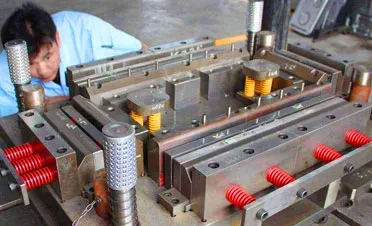

acceptable porosity in castings
acceptable porosity in castings
Acceptable Porosity in Castings Understanding Its Implications and Management Porosity in castings is a common concern in the metalworking industry and can significantly affect the mechanical properties and performance of the final product. Understanding the acceptable levels of porosity within castings is vital for manufacturers to ensure the reliability and durability of cast components. This article explores the implications of porosity, its causes, acceptable limits, and management strategies. What is Porosity? Porosity refers to the presence of voids or air pockets within a solid material, in this case, a metal casting. These voids can occur during the casting process due to various factors, including the melting, pouring, and solidification of metals. Porosity can be categorized into two primary types gas porosity and shrinkage porosity. Gas porosity occurs when gases are trapped during solidification, while shrinkage porosity results from the contraction of metal as it cools, leading to the formation of voids. Causes of Porosity Several factors contribute to the development of porosity in castings. These include 1. Mold Design Poor mold design can restrict the flow of molten metal, leading to inadequate filling and the entrapment of gases. 2. Melting and Pouring Practices High temperatures during melting can introduce more gases into the molten metal. Additionally, the way metal is poured into the mold can affect the likelihood of gas entrapment. 3. Alloy Composition The alloy's chemical composition can influence its fluidity and the extent to which gases dissolve, impacting porosity levels. 4. Cooling Rates Rapid cooling can lead to uneven solidification, increasing the probability of shrinkage porosity. 5. Contamination Impurities introduced during the melting or pouring processes can promote gas formation and entrapment. Acceptable Limits of Porosity The acceptable percentage of porosity in castings can widely vary depending on the application, material, and performance requirements. Generally, industry standards permit a certain level of porosity to ensure functionality without compromising structural integrity. For instance, a porosity level of 0.5% to 1.5% might be acceptable for many commercial castings, while critical applications (like aerospace components) may demand levels below 0.5%. Standards set by organizations such as ASTM and ISO provide guidelines for acceptable porosity levels based on the casting's intended use. Manufacturers must adhere to these standards to avoid catastrophic failures in critical applications. Implications of Excessive Porosity acceptable porosity in castings Excessive porosity can lead to several negative consequences 1. Weakened Mechanical Properties High porosity can significantly reduce the strength, ductility, and fatigue resistance of cast components, making them more susceptible to failure under stress. 2. Surface Defects Porosity can lead to surface defects during subsequent machining processes, resulting in added costs and reduced product quality. 3. Increased Non-Destructive Testing (NDT) Failures Components with excessive porosity may fail NDT inspections, requiring costly reworks or replacements. 4. Reduced Performance In applications that demand high reliability, such as automotive and aerospace components, high porosity can result in reduced performance or catastrophic failures. Managing Porosity To effectively manage porosity, manufacturers can implement several strategies 1. Mold Design Optimization Designing molds that facilitate smooth metal flow and minimize turbulence can significantly reduce the likelihood of gas entrapment. 2. Controlled Pouring Techniques Using controlled pouring practices can help minimize the incorporation of gases into the molten metal. 3. Alloy Selection Choosing alloys that are less prone to gas absorption and provide better fluidity can help reduce porosity levels. 4. Post-Processing Techniques Techniques such as heat treatment can help in closing small pores, improving the overall properties of the casting. 5. Regular Quality Control Conducting regular inspections and employing NDT methods will ensure that porosity levels remain within acceptable limits throughout the production process. Conclusion Porosity in castings is an important factor that can influence the performance and reliability of metal components. By understanding its causes, implications, and acceptable limits, manufacturers can effectively manage porosity to produce high-quality castings that meet industry standards and customer expectations. Through proper design, material selection, and process optimization, it is possible to minimize porosity and enhance the structural integrity of cast products.
-
 2026-06-16 15:46precision needle valvePrecision needle valves are a critical component in various industrial applications, offering exceptional control over fluid flow. These valves are designed to mete out precise amounts of a fluid, be it liquid or gas, allowing operators to fine-tune systems with remarkable accuracy. A quintessential choice for applications that demand high precision, their utility spans across industries ranging f
 -
 2026-06-16 15:01Understanding the Cost Breakdown of Die Casting per KilogramUnderstanding Die Casting Costs Per Kilogram Die casting has emerged as a significant manufacturing process in the production of metal parts, widely utilized across numerous industries including automotive, aerospace, and consumer goods. As industries increasingly look to optimize production efficiency and reduce costs, understanding the cost structure of die casting, particularly the cost per kil
 -
 2026-06-16 14:34precision solenoidIn the intricate world of electromechanical devices, precision solenoids have gradually become indispensable components that cater to both sophisticated industrial applications and consumer electronics. A precision solenoid functions as a high-performance actuator designed to offer unparalleled control in a compact form. These devices transcend traditional solenoid designs by integrating precise e
 -
 2026-06-16 14:33Understanding the Functionality and Applications of CI Sluice Valves in Water ManagementUnderstanding CI Sluice Valves Importance and Applications Sluice valves, often referred to as gate valves, are essential components in various industrial applications. Their primary function is to start or stop the flow of liquids or gases within a pipeline system. The CI (Cast Iron) sluice valve, specifically, is a widely used version known for its durability and reliability. This article delves
 -
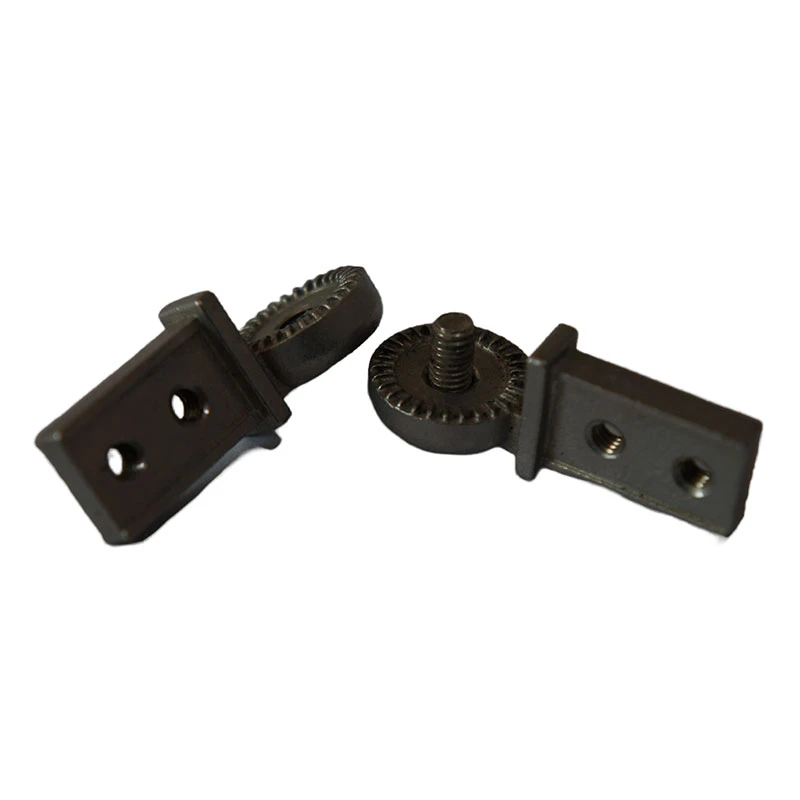 2026-06-16 13:49Top Suppliers for Precision Metal Stamping Parts in the Industry TodayPrecision Metal Stamping Parts Suppliers A Critical Component in Modern Manufacturing In today's fast-paced manufacturing landscape, precision metal stamping has emerged as a fundamental process that significantly impacts various industries. From automotive and aerospace to electronics and medical devices, high-quality metal stamped parts are essential for ensuring functionality, durability, and p